
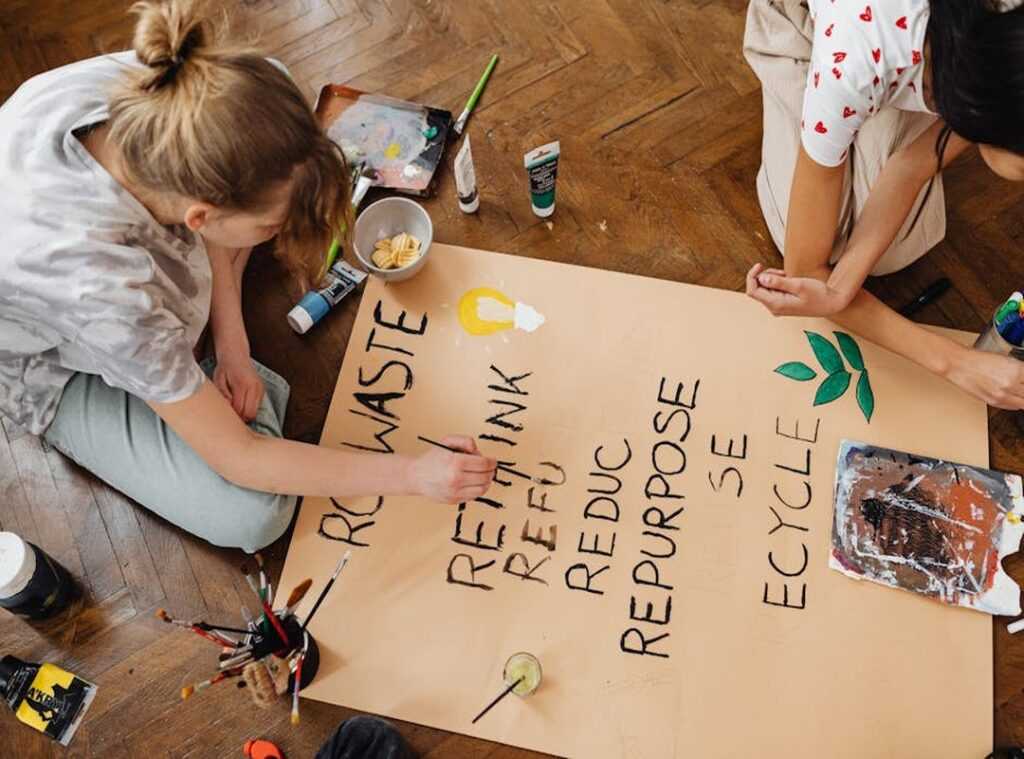
Dengue fever infects millions of people every year. It’s a serious issue, and we need to do more to raise awareness.
In public health, especially with fast-spreading diseases, a clear visual message is more effective than text alone. Think about it—when you see a picture, it sticks in your mind.
This article is a complete guide to conceptualizing and creating a handmade dengue poster drawing that truly makes an impact. You’ll learn the essential information to include, powerful design techniques, and a step-by-step process for creation.
By the end, you’ll have the tools to create a poster that not only informs but also inspires action. Let’s dive in.
The Unmissable Message: Core Information for Your Dengue Poster
When it comes to preventing dengue, think of it like a game of hide and seek. You are the seeker, and the mosquitoes are hiding in plain sight. Your job is to find and eliminate their breeding sites.
Old tires
Flower pots
Clogged gutters
Uncovered water containers
These are the usual suspects. Just like how you’d check behind the curtains and under the bed, you need to check these spots for standing water. It’s where mosquitoes lay their eggs.
Now, let’s talk symptoms. Imagine your body is a car, and dengue is a flat tire. High fever, severe headache, rash, and muscle/joint pain are the warning lights on your dashboard.
If you see these signs, it’s time to pull over and get help.
Using a simple, memorable prevention framework can make all the difference. Think of it as a recipe. “Search and Destroy” or “Block the Bite” are like the steps in a cooking guide.
They’re easy to follow and even easier to illustrate.
Minimal, large-print text in the local language is key. It’s like using big, bold letters on a road sign. You want everyone, no matter their reading level, to understand the message at a glance.
Finally, a clear call-to-action is your poster’s North Star. Something like “Seek early consultation” or a local health hotline number. It’s the final push, the last step that guides people to take action.
Handmade dengue poster drawing
Remember, the goal is to make the message stick. Like a catchy jingle, it should stay with people long after they’ve seen your poster.
Designing for Impact: Visual Elements That Stop and Teach
When it comes to public health, the right visual elements can make all the difference. Imagine a poster that grabs your attention with bold, attention-grabbing colors like red and yellow for warnings. These colors scream “Stop!
Pay attention!”
On the other hand, calming blues or greens can be used for safe practices. They give a sense of safety and calm. It’s like a traffic light—red means danger, green means go.
The Power of a Single Image
A single, powerful central image can say more than a thousand words. Think about a stylized mosquito being crossed out. Or a family protecting their home.
These images are clear and direct. They tell a story without needing a lot of text.
Simple Icons and Infographics
Breaking down complex information is key, and use simple icons and infographics. For example, a mosquito life cycle or a weekly checklist for cleaning breeding grounds.
These visuals help people understand what they need to do, step by step.
Typography Matters
Choose a font that is highly legible from a distance. Avoid overly decorative or thin scripts. The last thing you want is for someone to miss the message because they can’t read the text.
Clear, bold fonts work best.
Cultural Relevance
Make sure the illustrations are culturally relevant. The people, homes, and environments depicted should be relatable to the target community. This builds trust and makes the message more impactful.
Visual Hierarchy
Guide the viewer’s eye from the main threat (the mosquito) to the solution (prevention actions). A well-structured visual hierarchy helps. Start with the most important information and lead them to the next steps.
Handmade Dengue Poster Drawing
Think about a handmade dengue poster drawing. It combines all these elements: bold colors, a powerful central image, simple icons, and clear typography. It’s a sensory experience that not only catches the eye but also teaches effectively.
Your Custom Poster Blueprint: From Idea to Reality

Start with an anecdote about a time I needed to create a poster for a local health fair. I had no idea where to begin, but I figured it out. Here’s how you can do it too.
Step 1: Define
First, figure out who your audience is, and are you targeting schoolchildren or homeowners? What’s the main goal?
Is it symptom recognition or weekly cleanup reminders? Getting this right is key.
Step 2: Design
Now, let’s talk design. You have two paths: DIY or hire a professional.
Path A: DIY
If you’re handy with tools like Canva, go for it. Canva has pre-made elements and templates that make it easy. Just pick one that fits your theme and start customizing.
Path B: Hire a Freelancer
For a truly unique design, consider hiring a freelance illustrator from sites like Upwork or Fiverr. This way, you get a handmade dengue poster drawing that stands out.
Pro Tip: When writing a design brief for a freelancer, be clear. Specify the key messages, desired visual style, color palette, and required text. This helps them understand exactly what you need.
Step 3: Distribute
Once your poster is ready, it’s time to distribute it. Make sure the final file is in high-resolution format (300 DPI), with correct dimensions and bleed margins for printing.
Leave a designated blank space in the design for local health organizations or sponsors to add their logo. This makes it easier for them to support and share your message.
Creating a poster doesn’t have to be overwhelming. With these steps, you can turn your idea into a reality. And if you ever need insights on other trends, check out how game providers shape jackpot trends insights revealed.
Inspiration Gallery: Powerful Dengue Poster Concepts
When it comes to creating impactful dengue posters, simplicity and creativity go a long way. Here are some concepts to spark your imagination.
Concept 1: ‘The Tipping Point’
Imagine a minimalist design focusing on a hand tipping over a flower pot. The act of eliminating stagnant water is a powerful message. It’s simple, yet it drives home the importance of small actions in preventing dengue.
Concept 2: ‘Community Shield’
Picture an illustration of diverse community members. They’re holding up tools like brooms and scrubs as shields against a giant mosquito shadow. This concept highlights the collective effort needed to combat dengue.
It’s a visual reminder that everyone has a role to play.
Concept 3: ‘Spot the Danger’
Think of an interactive-style poster showing a typical backyard scene. The challenge, and find all potential mosquito breeding spots.
This concept engages the viewer and educates them on the hidden dangers in their own environment. It’s a fun and educational way to raise awareness.
| Concept | Description |
|---|---|
| The Tipping Point | A minimalist design with a hand tipping over a flower pot to eliminate stagnant water. |
| Community Shield | Diverse community members holding up tools like shields against a giant mosquito shadow. |
| Spot the Danger | An interactive poster challenging viewers to find all potential mosquito breeding spots in a backyard scene. |
Use these concepts to create handmade dengue poster drawings that resonate with your audience. Each one emphasizes the principles of prevention, community involvement, and education.
Turn Awareness into Action with Your Illustration
An effective dengue poster merges essential facts with compelling, easy-to-understand illustrations. The ultimate goal of the poster is not just to be seen, but to provoke a specific action, like a weekly home cleanup.
Consider adding a modern enhancement: a QR code that links directly to resources from the World Health Organization or a local health department. This can provide more detailed information and support.
Handmade dengue poster drawing can make a significant impact in your community.
Take these guidelines and create a custom poster that can help protect your community.